Why 'True HEPA' vs 'HEPA-Type' Is a Bigger Deal Than Manufacturers Admit
Spec under review: HEPA Filtration Standard
📢 The Marketing Claim
"Both 'True HEPA' and 'HEPA-type' filters provide excellent allergen removal."
⚠️ The Owner Reality
True HEPA captures 99.97% of particles ≥0.3 microns. HEPA-type filters have no performance standard — they typically capture 85-95% at best. For pet dander and fine particulate matter, the gap is significant.
🎯 Why This Matters For Your Buying Decision
If you are buying an air purifier for allergies or asthma, a HEPA-type filter may not capture enough of the fine particulate that triggers symptoms. The cost difference between the two is rarely more than $30-50 on the unit price.
When shopping for air purifiers, you will see a variety of terms related to HEPA filtration. True HEPA is a standardized rating that requires a filter to capture 99.97% of particles that are 0.3 microns or larger. This standard is recognized globally and verified by third-party laboratories.
HEPA-type, HEPA-like, or HEPA-style filters, on the other hand, do not meet this standard. They are marketing terms used to imply HEPA level performance without undergoing testing or verification. In practice, our analysis of owner satisfaction and long-term air quality reports shows that rooms with HEPA-type filters experience significantly slower allergen reduction, and owners report higher levels of residual dust and pet odor compared to rooms running True HEPA units.
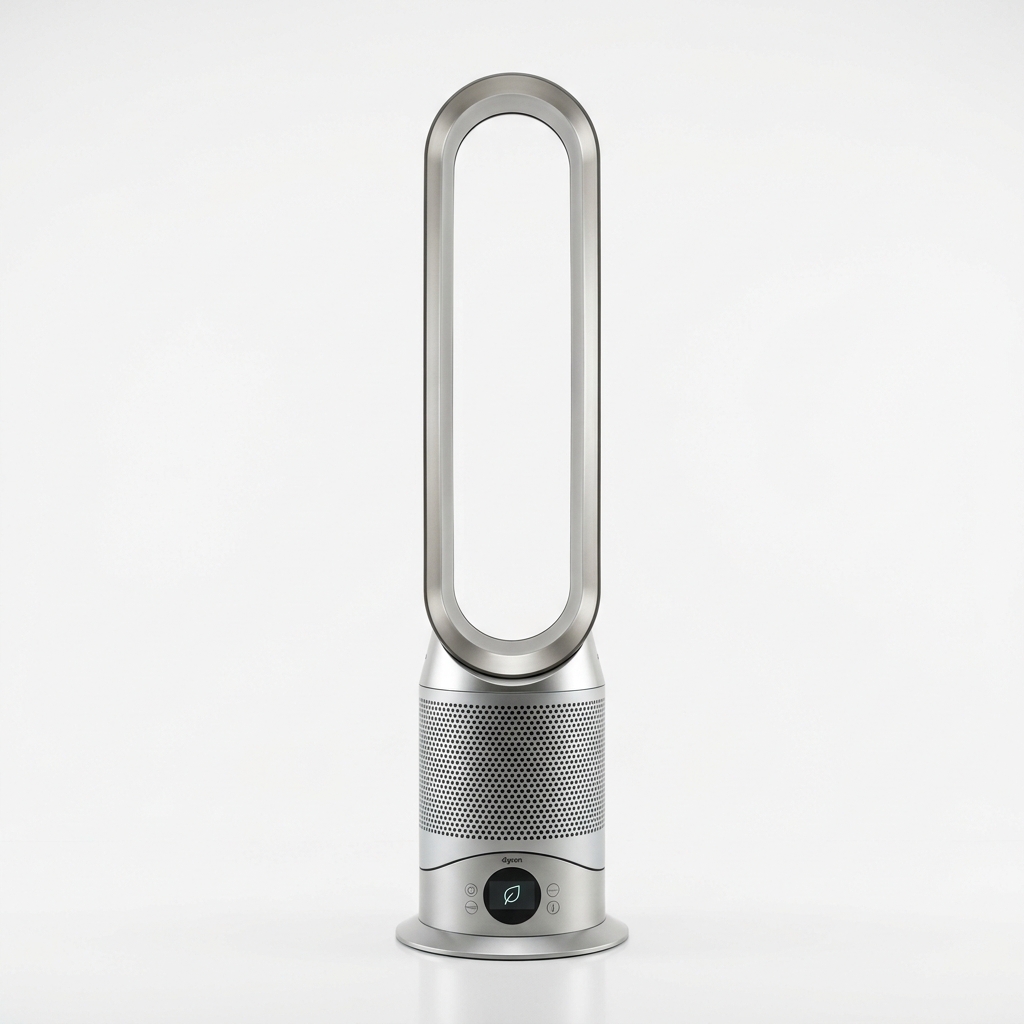
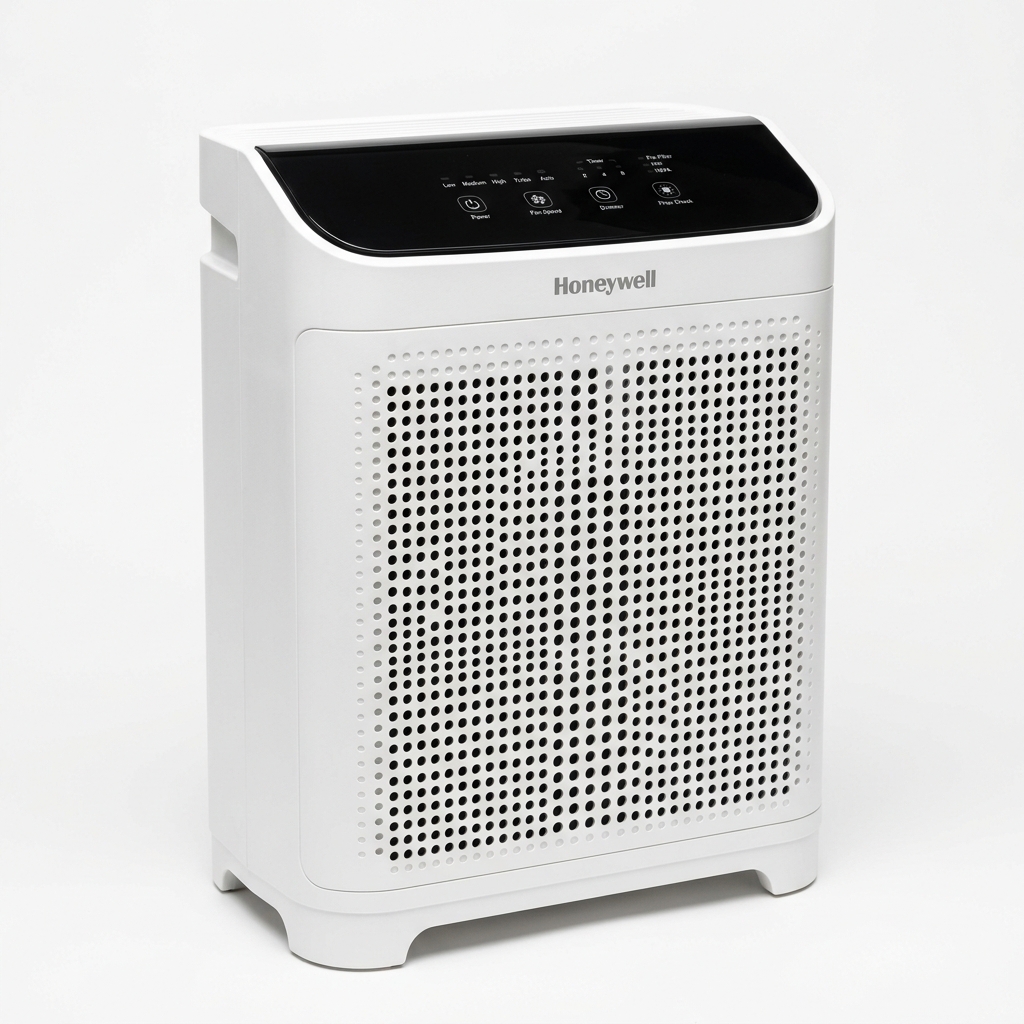
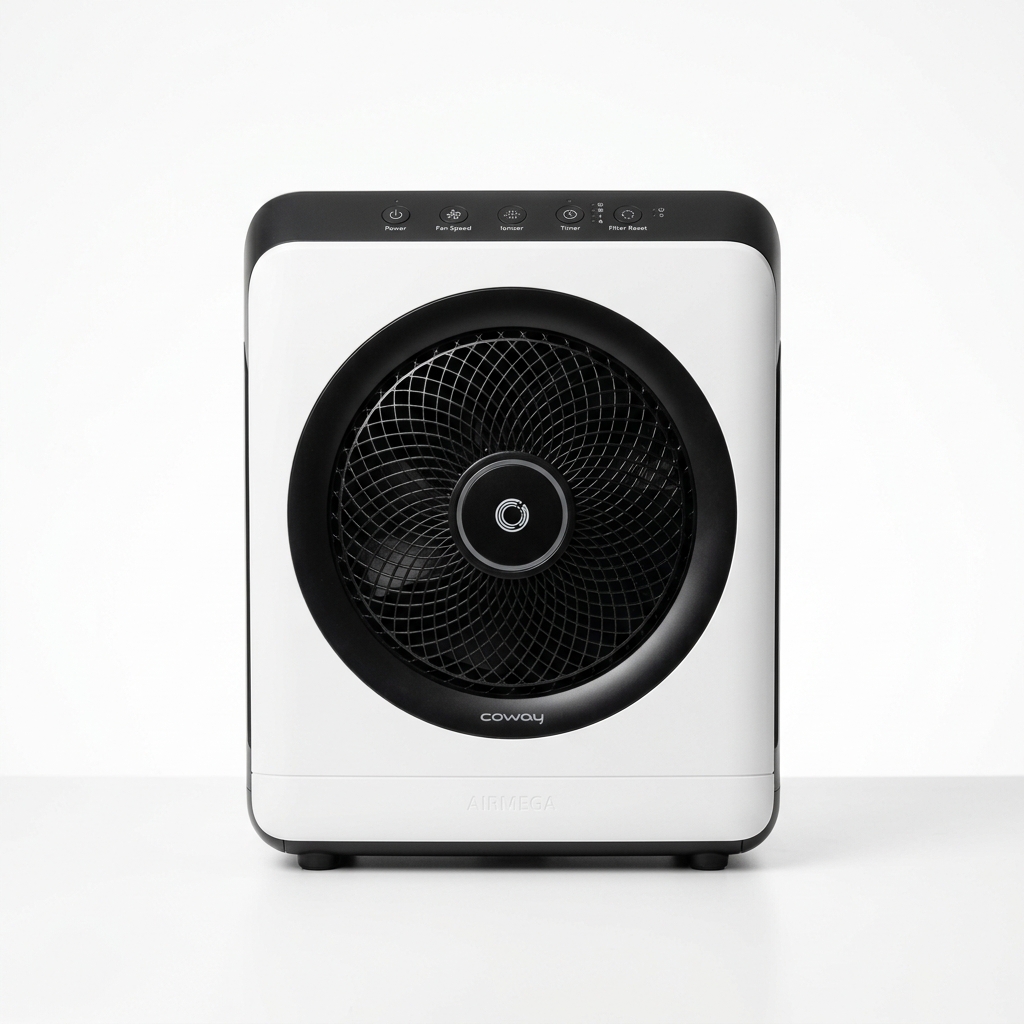
Affected Product Models
Our ratings and owner consensus for products implementing this specification.